What Are the Biggest Problems with Fence Repairs in Mansfield?
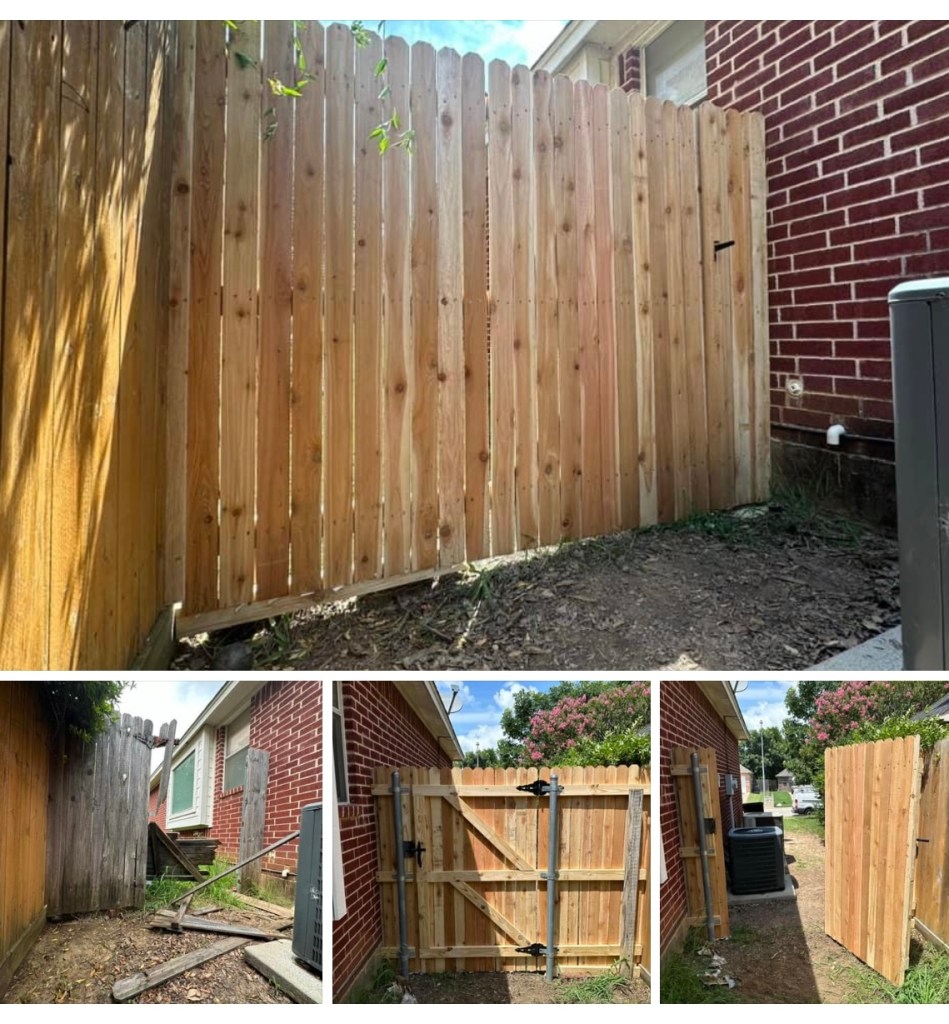
Introduction: Fence Repairs in Mansfield, TX
Fences are an essential part of homeownership in Mansfield, TX, and throughout the Dallas-Fort Worth area. They provide privacy, security, and an enhanced aesthetic appeal to homes. However, like any outdoor structure, fences are vulnerable to wear and tear over time. From rotting wood to shifting posts, the combination of weather, soil conditions, and material choices makes fence maintenance a challenge for homeowners in the region.
In this article, we will explore the biggest problems homeowners face with fence repairs in Mansfield, identify the materials commonly used for fencing, and examine how local building codes affect the longevity and maintenance of fences in this area.
1. Materials Commonly Used for Fences in Mansfield and DFW
The materials you choose for your fence play a significant role in how well it withstands the elements. In Mansfield and the greater Dallas-Fort Worth area, the three most commonly used materials are Cedar, Pine, and Douglas Fir. Each has unique characteristics that impact its durability and susceptibility to issues.
Cedar: Durability and Aesthetic Appeal
Cedar is a premium choice for fencing because it is naturally resistant to decay and insect infestations, making it one of the most durable wood types. Homeowners in Mansfield often prefer Cedar for its long lifespan and attractive appearance, as it weathers into a stylish silver-grey over time. Cedar fences can last up to 20 years with proper maintenance, but they come at a higher upfront cost compared to other materials.
Pine: Affordability and Common Use
Pine is a widely used material for fences due to its affordability. However, it requires regular treatment to prevent decay, as it is more susceptible to rot and insect damage than Cedar. Pine fences often need more frequent repairs and replacement, especially in areas with high moisture and humidity levels, like Mansfield.
Douglas Fir: Moderate Durability with Regular Maintenance
Douglas Fir is a middle-ground option, offering moderate durability and strength at a reasonable price. It does not resist rot as effectively as Cedar but performs better than Pine. Homeowners who opt for Douglas Fir must commit to regular sealing and staining to keep the wood protected from the elements.
2. Top Problems with Fence Repairs in Mansfield
Due to the region’s weather and soil conditions, fences in Mansfield are prone to several recurring problems. Below are some of the most common issues.
Wood Rot and Decay Due to Weather Conditions
Mansfield’s climate, with its hot summers and occasional heavy rain, can wreak havoc on wooden fences. The moisture from rain and humidity is absorbed by untreated or poorly maintained wood, leading to rot over time. Cedar naturally resists rot, while Pine and Douglas Fir are more vulnerable, making regular treatments necessary for these woods.
Wood rot typically begins at the base of fence posts or along the horizontal rails where water collects. Homeowners can prevent this issue by applying protective sealants and ensuring proper drainage around the fence perimeter to avoid standing water.
Leaning Fences and Shifting Posts
Leaning fences are often caused by unstable fence posts, which may shift due to soil erosion or improper installation. Mansfield’s clay soil expands and contracts with changing moisture levels, leading to post movement over time. Posts that aren’t set deep enough or anchored properly are more prone to this issue.
The Mansfield Code requires that fence posts be buried at least 24 inches deep and set in concrete for added stability. Ensuring that the installation follows this guideline can significantly reduce the likelihood of a leaning fence.
Broken or Warped Panels and Boards
Fluctuations in temperature and humidity can cause wooden fence panels to expand and contract, leading to warping or cracking. This issue is particularly common with Pine and Douglas Fir fences, especially when the wood isn’t treated properly. Replacing warped boards early on can prevent further structural damage to the fence.
Cedar, due to its durability and resistance to warping, is a better option for those looking to minimize these types of repairs.
3. Challenges with Soil and Fence Stability
Mansfield’s soil presents a unique challenge for fence stability. The expansive clay found in the region swells when wet and contracts as it dries, leading to soil shifting that can destabilize fence posts. This movement can result in a fence that leans or collapses over time.
To combat these issues, homeowners should ensure that fence posts are buried deep enough and secured in concrete footings, as required by Mansfield’s building codes. Additionally, grading the area around the fence to direct water away from the posts can help prevent erosion and maintain the fence’s stability.
4. Gate Misalignment and Sagging Issues
Gates are another common problem area for fences, especially when they sag or become misaligned. This is often due to the gate’s weight, combined with the wear and tear on hinges and latches. Over time, the posts supporting the gate can shift, exacerbating the problem.
To fix sagging gates, homeowners can reinforce the posts or upgrade the hinges. Installing high-quality hardware and ensuring proper support for the gate during the initial installation can also reduce the risk of this issue.
5. Insect Infestations: Termites and Carpenter Ants
Wood fences are vulnerable to damage from pests, particularly termites and carpenter ants, which are common in Mansfield. These insects feed on the wood, hollowing out sections and compromising the structural integrity of the fence.
Using treated wood, such as pressure-treated Pine, and applying insecticides can help protect fences from these pests. Regular inspections and prompt treatment of any infestations are crucial for keeping wooden fences in good condition.
6. Mansfield Fence Building Code Requirements
To avoid many of the common problems with fence repairs, it’s essential to ensure that your fence meets local building codes. In Mansfield, there are specific requirements for fence height, post depth, and materials that must be adhered to.
Height Restrictions for Front, Side, and Rear Fences
According to the Mansfield Code, front yard fences can be no taller than 4 feet, while side and rear yard fences can reach up to 8 feet. These height restrictions are designed to maintain neighborhood aesthetics and ensure visibility for drivers and pedestrians.
Proper Fence Installation to Avoid Future Repairs
Proper installation, particularly of fence posts, is essential for long-term durability. The code requires posts to be set in concrete and buried at least 24 inches deep for fences up to 6 feet in height, and even deeper for taller fences. This ensures stability and minimizes the risk of leaning fences or shifting posts.
Materials and Compliance with Local Codes
While Cedar, Pine, and Douglas Fir are common choices, homeowners must ensure that the materials used comply with local building regulations. Pressure-treated wood is often recommended to prevent rot and insect infestations, both of which are common issues in Mansfield’s climate.
7. Cost of Fence Repairs in Mansfield
The cost of fence repairs varies based on the extent of the damage and the materials used. Minor repairs, such as replacing a few boards or reinforcing a post, may cost between $200 and $500. Larger repairs, such as replacing multiple posts or rebuilding sections of the fence, can range from $500 to $1,500 or more.
DIY vs. Professional Fence Repair: Which is More Cost-Effective?
While DIY repairs can save money upfront, hiring a professional can ensure that the work is done correctly and in compliance with local building codes. For larger or more complex repairs, professional services are often more cost-effective in the long run, as they reduce the need for frequent fixes and rework.
Conclusion: Ensuring Long-Lasting Fences in Mansfield
Fence repairs in Mansfield can be a challenge, but with the right materials, installation techniques, and regular maintenance, homeowners can avoid many of the most common problems. By adhering to local building codes and choosing high-quality materials like Cedar, you can prolong the life of your fence and keep repair costs to a minimum.
For homeowners who want to avoid the hassle of constant repairs, hiring a professional fence installation and repair service ensures that your fence will remain sturdy, attractive, and compliant with Mansfield’s building codes.